House Clearance in Brentwood
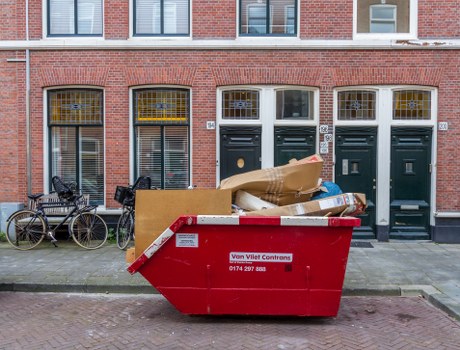
House clearance in Brentwood should feel practical, orderly and proportionate to the property in front of you. We provide a straightforward service for clearing homes, flats and mixed domestic spaces, helping customers deal with furniture, general household contents and other agreed items in a way that keeps the work manageable. Whether the task is linked to a move, a property change or a long-overdue sort-out, the aim is to remove what needs to go and leave the space ready for its next use.
The service is built around clear decisions rather than one-size-fits-all assumptions. Some households need a full clearance, while others only want certain rooms or item groups dealt with. Our house clearance service can cover that broader domestic work, while more specific pages such as home clearance and flat clearance help describe the different property types that often need different access, planning and handling. That distinction matters because a top-floor flat, a terraced house and a larger family home rarely present the same layout or lifting considerations.
For customers looking to compare related options, we also set out item-focused pages such as furniture clearance and furniture disposal. Those services are useful when the main concern is bulky domestic pieces rather than every room in the property. If you already know what stays and what should be removed, that sort of clarity helps the clearance be more efficient and easier to plan.
Domestic clearance work for occupied and vacant homes
House clearance often involves more than simply carrying items away. Rooms may contain a mixture of everyday belongings, stored possessions, unwanted furniture and items that need to be separated for reuse, recycling or disposal. We deal with that kind of domestic clearance in a measured way, keeping the work aligned with the rooms involved and the items listed. The focus is on removing agreed contents without turning the process into a bigger upheaval than necessary.
When a property is still occupied, the priority is usually careful sorting and sensible sequencing. When it is empty or partially empty, the emphasis may shift towards speed of removal and a tidy finish. A good clearance plan takes account of what is being left behind, whether there are stairs or narrow access points, and whether the work is happening room by room or across the whole property. That is why a clear description of the job matters more than vague estimates.
What a typical domestic clearance can include
A domestic clearance may involve wardrobes, sofas, beds, tables, white goods, boxed household items, ornaments, books, kitchen contents or mixed general waste that has accumulated with normal use. It may also involve practical sorting across loft spaces, cupboards, sheds connected to the home or spare rooms used for storage. The right approach depends on what is present, what is to remain and how much handling each item requires. Heavy or awkward pieces are assessed as part of the overall work rather than treated separately in isolation.
Planning, access and quotation details

To arrange a quotation, it helps to describe the property type, the rooms involved and the main items that need removing. A simple list is often enough to start, especially if it shows anything bulky, fragile, built-in or unusually difficult to move. Photos can also help when the contents are hard to describe, but they work best as part of a concise explanation rather than as a substitute for it. That combination gives a more accurate basis for planning the work.
Access is another important factor. Stairs, restricted parking, tight hallways, shared entrances and long carrying distances all influence the time and handling involved. If there are items upstairs, in the loft or at the back of a deep garage, mentioning that early helps the clearance be organised properly. Good preparation does not need to be complicated; it just needs to be honest about what is there and how it is stored.
For pricing guidance, the relevant starting point is pricing and quotes, which helps customers understand how scope and access can shape the overall job. If the work also involves sorting heavier pieces or preparing a room for a particular use afterwards, the same conversation can cover that detail. Clear information leads to clearer quotations, especially when the property has several areas that will need attention rather than a single obvious pile of items.
Whole-property and room-by-room options
Some customers want a full house cleared from top to bottom, while others need only selected areas handled. A room-by-room approach can be useful when a property is being gradually emptied, when family items are being sorted in stages, or when only certain spaces have built up surplus contents. The advantage is control: you can keep the items that matter and remove only what has been agreed.
Rooms often behave differently during a clearance. A living room may contain large furniture and small decorative items, a bedroom may involve wardrobes and personal storage, and a kitchen often includes mixed contents, appliances and general household goods. If the property has a more contained layout, the work can be organised around the sequence that makes the most sense on site. That keeps the service practical rather than rushed.
Choosing the right scope for the job
It is usually better to define the scope before the clearance begins, rather than treat everything as a surprise on the day. The key choices are simple: which rooms are included, which items stay, which items go, and whether anything needs extra care because of size, material or location. Where a house shares the same kind of contents as a flat or smaller domestic property, the same basic principles still apply; the difference is mostly in access and volume.
Furniture, fixtures and bulky domestic items

Bulky items are often the most visible part of a house clearance, and they usually need the most physical handling. Sofas, wardrobes, mattress sets, tables, shelving, chests of drawers and similar pieces can require careful lifting and a sensible route out of the property. Our service includes the removal of agreed furniture as part of the wider domestic clearance or as a more item-specific job where that is all that is needed.
Not every piece is straightforward. Flat-pack furniture may break down easily, but older wooden items may be heavy and awkward; upholstered items may be large but relatively light, while certain appliances need careful movement because of weight, shape or location. A clear description of the items helps us judge how the job should be approached. For customers with only a few large pieces, a narrower page such as garage clearance is not the right fit, but related item-led services may still be useful if the furniture is being held in storage spaces rather than living areas.
Where a clearance includes bits of mixed domestic furnishing, a sensible sequence matters. Larger items are usually best handled first, then smaller contents sorted afterwards so the room can be checked properly. That is especially useful when a property contains a mixture of furniture and general household belongings, because it avoids leaving the awkward pieces until the end. It also makes it easier to keep track of what has been removed and what still needs to stay in place.
Kitchen, garage and storage spaces
House clearance is often only partly about the main living rooms. Kitchens, garages, lofts and cupboards can hold a surprising amount of domestic content, from spare appliances and boxes to seasonal items and long-term storage. These spaces are worth planning separately because they may involve different types of access and different kinds of contents. A garage, for instance, may have heavier tools or mixed stored goods, while a loft may contain lighter but more awkwardly placed items.
The more storage a property has, the more likely the clearance is to benefit from staging. That means deciding which areas are dealt with first and which contents need to be left until the rest of the room is clear. It also helps to keep breakable and sentimental items separate from general household goods. The method does not have to be elaborate; it just needs to make the work orderly and reduce the chance of items being mixed together.
Related areas often cleared alongside the main house
- Lofts with boxed household items, seasonal storage or forgotten furniture pieces
- Garages containing mixed domestic goods, tools or storage from multiple years
- Kitchens with old appliances, cupboards of unused items and everyday clutter
- Utility areas and under-stairs spaces where contents have built up gradually
About Brentwood

Brentwood is a market town in Essex with a long-standing place in the county’s settlement pattern and a centre that still reflects older town development. Its parish church, St Peter’s, stands as one of the town’s familiar historic landmarks, while the wider town includes a mix of later commercial streets, residential areas and green spaces. Brentwood’s position on higher ground in western Essex has long shaped the way its roads and neighbourhoods connect, with routes leading towards surrounding villages, open countryside and the wider London fringe. The town’s character is therefore partly suburban and partly traditional, with historic layers visible alongside more modern development. Central Brentwood includes areas that have grown around the High Street and older streets near the core, while nearby districts extend into more residential settings. Thorndon Country Park lies to the south-east of the town and provides a large area of parkland, woodland and open landscape associated with the Brentwood area. Another well-known local feature is the former Brentwood School site and the school’s long history in the town, which contributes to Brentwood’s civic identity. The town also has connections with the railway era and commuter patterns, both of which influenced its later growth and helped turn it into a more connected Essex centre. Historic buildings, churches, parks and the older street pattern combine to give Brentwood a setting that feels established rather than newly built, with a local identity that is recognisable in both its centre and its surrounding neighbourhoods.
Clearance for different domestic circumstances
House clearance is used in many different circumstances, and the work should reflect the reason behind it without assuming too much in advance. Some people are sorting a property after a move; others are dealing with rooms that have simply become too full over time. In some cases the job is part of preparing a home for sale or rental, while in others it is about getting a family property back into a manageable state. The service stays the same in principle, but the scope can vary a great deal.
Because of that variety, the most useful plan is often to break the clearance into visible sections. One room may contain furniture, another may hold paperwork or mixed household storage, and another may be almost empty except for a few large items. That level of specificity is helpful because it reduces uncertainty for everyone involved. It also keeps the work proportionate, which matters when a property contains items that need sorting before they can be removed.
If you are ready to talk through a domestic clearance, the simplest step is to outline the rooms and the main contents. You can then decide whether the job should be handled as a full property clearance or as a narrower item-led removal. Start with the areas that matter most, and the rest of the plan becomes much easier to shape.
Recycling, disposal and careful handling

A house clearance is not only about taking items away; it is also about handling them responsibly once they have been removed from the property. Different materials and item types need different treatment, and mixed domestic contents are rarely best thought of as one simple pile. Wooden furniture, metal items, textiles, appliances and general household goods each need a suitable route once they leave the home. That is why item sorting matters so much during the clearance itself.
Customers often want a service that is organised without being overcomplicated. The practical answer is to separate what is staying, what is going, and what needs extra care because of size, shape or condition. That makes it easier to move the agreed contents without confusion and to avoid accidental removal of things that are meant to remain. It also helps if the clearance is being completed in stages, because each room can be checked as the work progresses.
When the contents of a house have become mixed over time, a careful and steady approach is usually better than an aggressive one. The aim is not to rush the property into emptiness, but to clear it in a way that still feels controlled and considerate. If you would like to discuss the work, contact us with the details of the property and we can help you move towards a quotation.
Other related clearance services
Although house clearance is the main service here, many customers also look at related domestic and commercial options when they are comparing the right fit. A domestic property may need a broader home clearance, a smaller flat clearance, or a more focused furniture removal. In some situations the work is tied to a single area such as a garage, loft or garden, and in others it extends beyond the house itself to surrounding spaces that have accumulated items over time.
Where the contents are mixed with building-related material or business waste, the scope shifts again. That is why it can help to distinguish between domestic clearance, furniture removal, garden clearance and other specific waste-related work before a quotation is prepared. The goal is to match the service to the actual contents, not to force a property into the wrong category. You can also review the wider waste removal service if the job extends beyond standard household contents and includes more general materials.
For jobs that involve trade or commercial premises rather than a private home, the service needs are different again. An office, for example, may require more attention to desks, filing storage and equipment, while a business site may involve a larger mix of items and a different sequence of removal. Choosing the closest fit helps keep the quotation accurate and the work sensible from the start.
Requesting a quotation for your clearance
When you are ready to request a quotation, the most useful details are the property type, the rooms to be cleared, the main items present and anything that could affect access or handling. A short description of the job is enough to begin with, and if there are several areas involved, a room-by-room note is often the clearest way to explain it. That gives the work a practical shape before anyone commits to a date.
If the clearance is time-sensitive because of a move, a property handover or a family arrangement, say so in plain terms. If it is less urgent, the same quotation process still applies; it simply gives more space to organise the scope carefully. The important point is to avoid vague instructions such as “clear everything†unless that is genuinely what you want. Specificity helps with both accuracy and efficiency, especially in larger homes with more than one storage area.
For a quotation on house clearance in Brentwood, please get in touch and tell us what needs to be removed. If you already know the main items, request a quotation with those details and we can help you take the next step.