House Clearance Brentwood — Health and Safety Policy
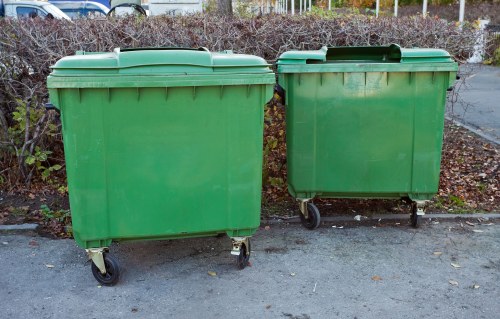 This Health and Safety Policy sets out the commitments and operational requirements for professional house clearance and rubbish removal services operating under the branding of House Clearance Brentwood. It applies to all staff, contractors and subcontractors engaged in clearing domestic and light-commercial properties, and encompasses rubbish disposal, waste transfer and related vehicle operations within our service area. The objective is to manage risks, protect health and safety, and ensure legal compliance while delivering effective clearance and rubbish collection services.
The policy is underpinned by a commitment to risk assessment and control. Managers must ensure documented risk assessments are completed for every site visit and type of job, considering structural hazards, sharps, hazardous materials and manual handling tasks. Supervisors are responsible for implementing controls identified in assessments and for ensuring that team briefings and site-specific instructions are delivered before work commences.
 All operatives will receive training in safe systems of work, including manual handling, the safe use of hand tools, correct lifting techniques, and safe operation of any mechanical aids. Personal protective equipment (PPE) is provided and must be worn where identified; examples include gloves, high-visibility clothing, steel-toe boots and respiratory protection where dust or airborne contaminants are likely. Hazardous waste is treated with particular caution and segregated for specialist disposal.
Responsibilities and Competence
Senior management holds overall responsibility for health and safety policy, resources and its review. Site supervisors are responsible for day-to-day safety and ensuring that staff comply with safe systems of work. Individual workers must follow instructions, use PPE and report hazards or incidents without delay. Our recruitment includes checks for competence and any role-specific qualifications for vehicle loading, forklift or mechanical handling equipment.
 Control measures include written safe working procedures, toolbox talks, and ongoing competence assessments. The company maintains a programme of refresher training and records of completed training. The following controls are mandatory:
- Pre-job risk assessment and written method statements for complex clearances
- Mandatory PPE for tasks involving dust, waste liquids or sharp objects
- Segregation and labelling of waste streams, including recyclable items and hazardous materials
- Mechanical aids and team lifts for heavy items to prevent manual handling injuries
Vehicle safety protocols require secure loading, proper weight distribution, and daily vehicle checks. Drivers must be fit for duty and hold the appropriate licences. Loading practices are monitored and recorded to reduce the risk of falls, shifting loads or manual handling incidents during transit.
Hazardous Materials and Waste Management
Hazardous items such as asbestos-containing materials, paint, solvents, pesticides, batteries and electrical items must be identified during assessment. These items are isolated and referred to specialist waste handlers where required. Under no circumstances should untrained staff handle suspected asbestos. Chemical and hazardous waste is labelled and stored securely pending collection by authorised carriers.
 Sharps, broken glass and biohazardous materials are treated as high-risk. Such items are placed in suitable puncture-resistant containers, and procedures for safe handling and disposal are followed. First aid provisions and exposure response protocols are kept up to date and accessible on site.
 Emergency procedures include incident reporting, first aid arrangements, access for emergency services and evacuation plans where necessary. All incidents, near misses and occupational illnesses are recorded, investigated and reviewed to prevent recurrence. The company fosters a culture that encourages reporting and continuous improvement.
Monitoring and review are integral to this policy. Health and safety performance is measured through site inspections, audits, incident trends and corrective action tracking. Annual reviews of the policy and risk control documents ensure that legal changes, new equipment and operational lessons are incorporated promptly.
Communication of health and safety information is achieved through on-site briefings, written instructions and digital records accessible to staff. Regular briefings and toolbox talks reinforce safe work practices and highlight seasonal hazards (e.g., wet conditions, heat, or cold) that can affect manual handling and vehicle operations.
Contractors and partners providing specialist rubbish collection or waste transfer services must provide evidence of their competence, insurance, and appropriate waste carrier registration. Contracts include health and safety clauses that mirror these standards to ensure consistent risk management across the supply chain.
Compliance with applicable health and safety legislation and waste regulations is a contractual requirement. The company maintains records of waste movements, duty of care documentation and any permits required for specific waste types. These records support regulatory compliance and provide traceability for diverted recyclable materials.
Health and wellbeing of staff is supported by limiting excessive working hours, providing access to welfare facilities, and offering training on safe manual handling and stress management. A workplace culture that values safety and professional conduct contributes directly to better outcomes for clients and the community.
Implementation of this policy is mandatory for all activities carried out under the house clearance and rubbish collection operations. Senior management will ensure the allocation of sufficient resources to achieve the objectives outlined herein, and employees are expected to cooperate fully with health and safety requirements. The policy is reviewed regularly and revised as necessary to maintain relevance and effectiveness.
